Virechana Therapy
Virechana Therapy: Ayurvedic Detox Through Purgation for Pitta Balance
In the ancient science of Ayurveda, maintaining harmony between the three doshas—Vata, Pitta, and Kapha—is key to lasting health. When Pitta is aggravated, it can lead to issues like skin diseases, acidity, liver disorders, and emotional imbalance. Virechana Therapy, a gentle and powerful Ayurvedic detoxification technique, helps eliminate excess Pitta through controlled purgation.
What is Virechana?
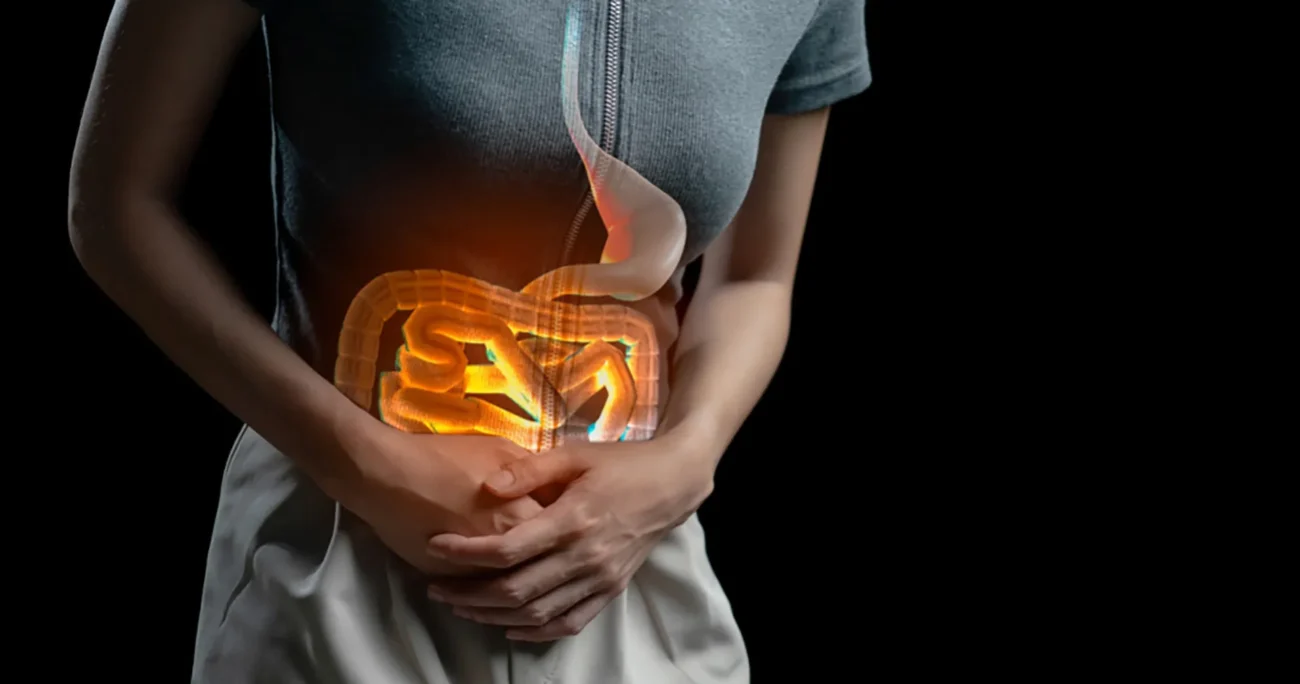
Virechana is one of the five Panchakarma therapies and involves the use of medicinal purgatives to cleanse the gastrointestinal tract, especially the small intestine, liver, and gall bladder.
Unlike harsh laxatives, Virechana is done in a monitored, therapeutic way that restores the body’s natural rhythm without depleting its strength.
“Virechana cleanses the Pitta and blood tissues, improves metabolism, and enhances clarity of body and mind.”
When Is Virechana Recommended?
Virechana is ideal for Pitta-related imbalances such as:
The Virechana Procedure: Step-by-Step
Virechana is performed over 7 to 14 days, depending on the individual’s dosha type and condition.

Purvakarma (Preparation)
- Snehapana (Internal Oleation): Consumption of medicated ghee or oils to loosen toxins.
- Abhyanga (Oil Massage): External application of herbal oil to stimulate the lymphatic system.
- Swedana (Steam Therapy): Sweating to open body channels and move toxins toward the gut.
Virechana Day (Main Therapy)
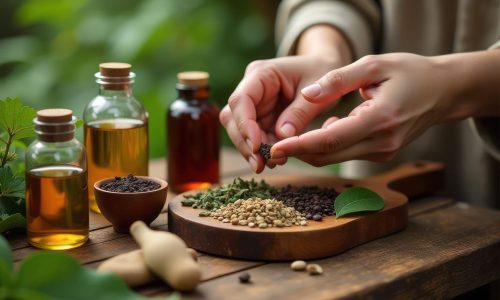
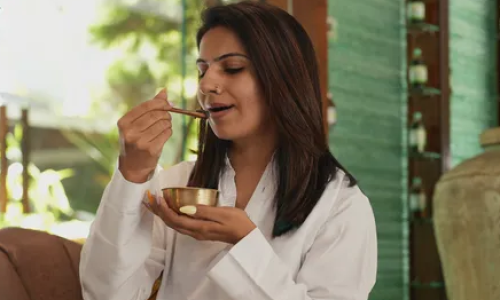
- Early morning: The patient consumes a specific purgative herbal decoction (e.g., Trivrit Lehyam, Avipattikar Churna).
- Effect: This induces controlled bowel movements to eliminate toxins.
- Monitoring: The process is carefully supervised—only a limited number of purges are encouraged based on the patient’s constitution and strength.
Paschatkarma (Post-Care)
- Special light diet: Foods like khichdi, rice gruel, and boiled vegetables are recommended for 3–7 days.
- Dietary restrictions: Avoid cold, spicy, and oily foods to support the healing process.
- Rebuilding strength: Herbal tonics may be given to restore energy and rekindle the digestive fire (Agni).
Common Herbs Used in Virechana
Who Should Avoid Virechana?
Common Herbs Used in Virechana
Virechana Therapy at Dhanwantre
Not suitable for:
Children under 12 or elders above 70 (unless advised)
People with chronic diarrhea or weak digestion
Pregnant or menstruating women
During fever, fatigue, or post-surgery recovery
Always undergo Virechana under the supervision of a qualified Ayurvedic practitioner.
Trivrit (Operculina turpethum) – Strong purgative for detox
Avipattikar Churna – Balances Pitta and supports digestion
Haritaki – A gentle bowel cleanser
Castor Oil (Eranda Taila) – Lubricates the intestines
Aloe Vera Juice – Soothes Pitta and promotes detox
At Dhanwantre Ayurvedic Clinic, Virechana therapy is:
Personalized based on your dosha, condition, and strength
Performed in a clean, tranquil setting under expert supervision
Supported by pre- and post-detox lifestyle advice and herbal support
Our patients report lighter bodies, clearer skin, calmer minds, and a deep sense of inner clarity after completing Virechana.