

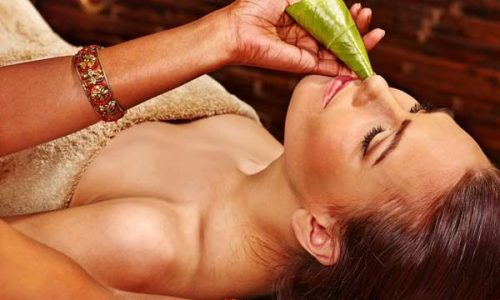
Nasya Therapy: Ayurvedic Nose Treatment for Total Head & Sinus Wellness

Nasya, one of the five therapies of Panchakarma, is a powerful Ayurvedic treatment that involves administering medicated oils, powders, or herbal juices through the nose. It might sound simple, but in Ayurveda, the nose is the gateway to the brain and consciousness — and Nasya therapy uses that route to clear toxins, balance doshas, and promote healing from the inside out.

What is Nasya?

In Sanskrit, “Nasya” means “related to the nose.” This therapy involves gently instilling medicinal substances into the nasal passages to cleanse and nourish the tissues in the head, neck, brain, sinuses, and throat.

According to Ayurveda:

“Nasa hi shiraso dwaram”
(“The nose is the doorway to the head.”)

Nasya Therapy3

Types of Nasya Therapy

There are different types of Nasya based on the substance used and the condition being treated:

Type
Navana Nasya
Shamana Nasya
Brumhana Nasya
Shodhana Nasya
Pratimarsha Nasya
Substance Used
Medicated oil or ghee
Herbal decoctions, powders
Nourishing oils (e.g. ghee)
Strong decoctions or oils
1-2 drops of oil daily
Purpose
For daily care and dosha balance
For pacifying specific disorders
For weakness, fatigue, mental fog
For detoxification
Safe for daily use (preventive care)

Key Benefits of Nasya Therapy

Virechana is performed over 7 to 14 days, depending on the individual’s dosha type and condition.

Nasya Therapy4

Procedure of Nasya Therapy

  • Preparatory Massage (Abhyanga): Light head, face, and neck massage with herbal oils to stimulate circulation and relax the muscles.
  • Steam (Swedana): Gentle facial steam to loosen toxins and open nasal and facial channels.
  • Administration of Nasya Oil: The patient lies back while a few warm drops of medicated oil are gently instilled into each nostril.
  • Post-care: Gentle massage around the sinus areas followed by rest for 15–30 minutes to support absorption and relaxation.
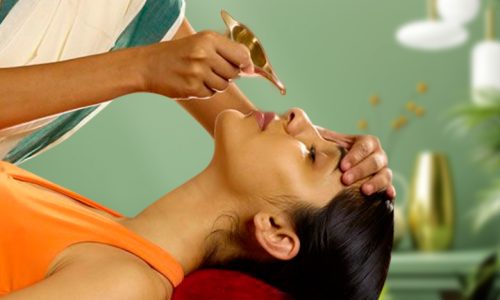
Nasya Therapy2

When to Take Nasya

  • Morning administration: Ideal for Kapha-related issues such as nasal congestion, heaviness, or sinus blockages.
  • Evening administration: Recommended for Vata and Pitta-related concerns like anxiety, headaches, or restlessness.
  • Daily use (Pratimarsha Nasya): A gentle, daily practice that supports immunity, mental clarity, and respiratory wellness.
  • Therapeutic sessions (3–7 sittings): Used in chronic conditions as part of intensive Nasya therapy under Ayurvedic supervision.
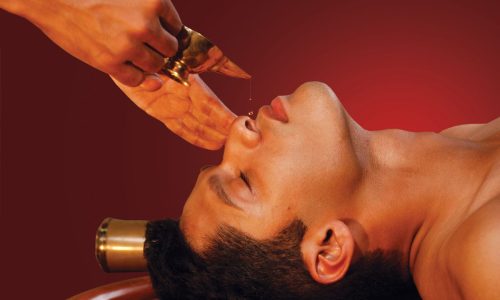
Nasya Therapy1

Who Should Avoid Nasya?

  • During illness: Avoid Nasya if you have a cold, cough, or fever.
  • Pregnancy: Not recommended during any stage of pregnancy.
  • Menstruation: Should be avoided during the menstrual cycle.
  • After meals: Do not perform Nasya on a full stomach.
  • Age restrictions: Generally not advised for children under 7 or adults over 80, unless specifically guided by an Ayurvedic expert.

Key Benefits of Nasya Therapy

Concern / Condition
Sinusitis, Allergies
Headache & Migraine
Insomnia & Anxiety
Blocked Nose & Congestion
Vision & Eye Disorders
Mental Clarity & Memory
Anti-aging & Hair Health
How Nasya Helps
Clears nasal passages, reduces inflammation
Relieves tension, balances Vata and Pitta doshas
Calms the nervous system, improves sleep
Loosens mucus, opens sinuses
Improves ocular circulation
Enhances brain function, supports clarity and focus
Nourishes brain and scalp tissues, delays aging signs