Agnikarma Therapy: Ayurvedic Heat-Based Treatment for Pain Relief & Healing

In Ayurveda, balance of Vata, Pitta, and Kapha is essential for health. When Vata aggravates and obstructs local tissues, it can cause chronic pain, stiffness, and functional limitations. Agnikarma Therapy, a time-tested Ayurvedic procedure, uses controlled therapeutic heat to relieve pain, improve mobility, and promote deep tissue healing.

What is Agnikarma?

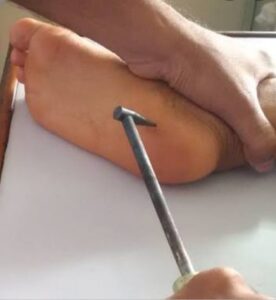
Agnikarma is a para-surgical procedure in Ayurveda that involves applying controlled heat to specific points on the body using a heated metal instrument (Shalaka) or other tools. The heat penetrates targeted tissues, improving circulation, reducing inflammation, and breaking chronic pain cycles.

Unlike accidental burns, Agnikarma is performed in a precise, painless, and therapeutic way to achieve lasting relief without harmful side effects.

“Agnikarma alleviates pain instantly, promotes healing, and restores natural movement in affected joints and muscles.”

agnikarma therapy1

When Is Agnikarma Recommended?

Health Conditions
Joint pain (knee, shoulder, elbow, ankle)
Sciatica and lower back pain
Cervical spondylosis
Frozen shoulder
Heel pain (Calcaneal spur, Plantar fasciitis)
Tennis elbow, golfer’s elbow
Parallel Conditions
Chronic arthritis (osteoarthritis, rheumatoid arthritis)
Muscular stiffness and cramps
Carpal tunnel syndrome
Sports injuries
Fibromyalgia-related pain
Post-fracture stiffness

The Agnikarma Procedure: Step-by-Step

Virechana is performed over 7 to 14 days, depending on the individual’s dosha type and condition.

agnikarma therapy2

Purvakarma (Preparation)

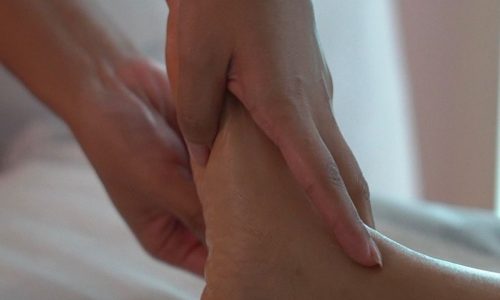
  • Assessment: Detailed examination of dosha imbalance and pain location.
  • Cleansing & Positioning:The area is cleaned and positioned comfortably.
  • Marking Points: Exact pain points or marma (vital) points are identified.
agnikarma therapy3

Pradhanakarma (Main Therapy)

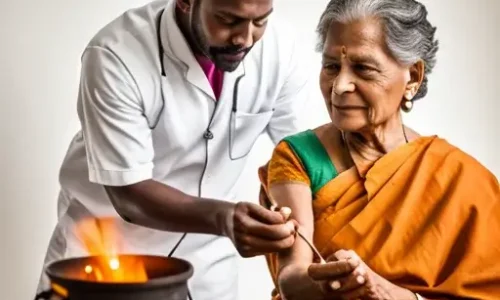
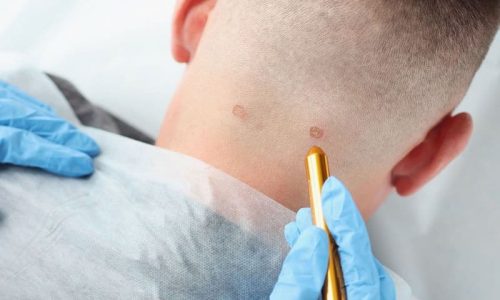
  • Heating the Shalaka: A special metal rod (Panchadhatu, Tamra, or Loha) is heated to a therapeutic temperature.
  • Application: The heated tip is gently applied to targeted points for a fraction of a second.
  • Effect: Heat penetrates tissues, improving blood flow, reducing inflammation, and relieving pain instantly.
agnikarma therapy4

Paschatkarma (Post-Care)

  • Herbal Application: Cooling herbal paste (Aloe Vera, sandalwood, or ghee-based) is applied to soothe the skin.
  • Protective Cover: The treated area is covered to prevent dust or infection.
  • Diet & Lifestyle Advice:Avoid strenuous activities and follow a Vata-pacifying diet for optimal healing.

Common Herbs & Materials Used in Agnikarma

Material / Herb
Panchadhatu Shalaka
Tamra (Copper) Shalaka
Aloe Vera (Kumari)
Ghee (Clarified Butter)
Turmeric Paste
Benefit
Retains heat for deep tissue penetration
Anti-inflammatory and pain-relieving properties
Cools and heals the skin post-therapy
Soothes tissue and prevents burns
Antiseptic and anti-inflammatory

Benefits of Agnikarma

Who Should Avoid Agnikarma?

Agnikarma Therapy at Dhanwantre

  • Instant pain relief in chronic and acute conditions

  • Improves joint mobility and flexibility

  • Reduces stiffness and swelling

  • Stimulates local blood circulation

  • Supports natural tissue repair

  • Minimal recurrence of symptoms when combined with Ayurvedic lifestyle

  • Not suitable for:

    • Children below 12 years

    • Elderly above 70 (unless advised)

    • Pregnant women

    • People with active infections, fever, or skin disorders in the treatment area

    • Bleeding disorders or extreme skin sensitivity

At Dhanwantre Ayurvedic Clinic, Agnikarma is:

  • Customized for your specific pain condition and body constitution

  • Performed with sterilized instruments under expert supervision

  • Combined with Ayurvedic physiotherapy, herbal medicine, and diet planning for long-lasting results

Our patients often experience immediate pain relief, improved range of motion, and renewed energy after completing Agnikarma sessions.