
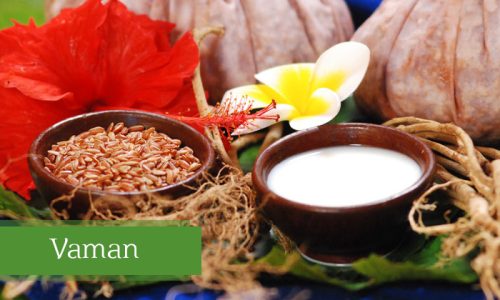
Vaman Therapy: Ayurvedic Emesis for Deep Detox and Dosha Balance

In Ayurveda, health is achieved when the three doshas — Vata, Pitta, and Kapha — are in balance. When excess Kapha accumulates in the body due to poor diet, sedentary lifestyle, or seasonal changes, it leads to issues like congestion, allergies, sluggish digestion, and even weight gain. That’s where Vaman therapy, a powerful detoxification treatment, comes in.

What is Vaman Therapy?

Vaman means “therapeutic vomiting” or controlled emesis. It’s a highly specialized procedure used to expel excess Kapha dosha and related toxins (ama) from the upper part of the body, particularly the stomach and respiratory tract.

This therapy is part of Panchakarma, the five-fold Ayurvedic detox system.

“Kapha disorders begin in the stomach and chest — Vaman purges them from their root.”

Vaman Therapy2

Key Benefits of Vaman Therapy

Health Concern
Respiratory Issues
Cholesterol & Obesity
Lethargy & Sluggishness
Skin Diseases
Nausea, Indigestion
Chronic Allergies
Mental Clarity
How Vaman Helps
Clears mucus from lungs and sinuses, reduces asthma, bronchitis
Regulates metabolism and fat accumulation
Improves digestion and energy levels
Helps with eczema, psoriasis, and acne
Detoxifies upper GI tract
Reduces sensitivity and histamine response
Enhances focus and reduces heaviness and brain fog

The Vaman Procedure: How It Works

Virechana is performed over 7 to 14 days, depending on the individual’s dosha type and condition.

Vaman Therapy1

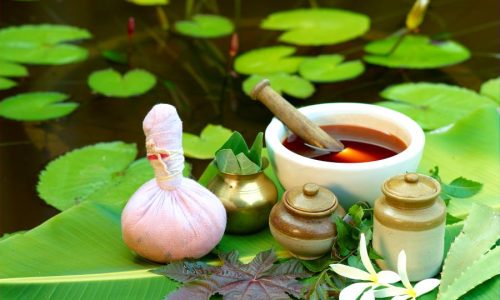
Purvakarma (Preparation)

  • Snehapana: Internal intake of medicated ghee to loosen toxins.
  • Abhyanga: Full-body oil massage to mobilize toxins and improve circulation.
  • Swedana: Steam therapy to further loosen toxins and open body channels.
Vaman Therapy4

Vaman Day (Main Therapy)

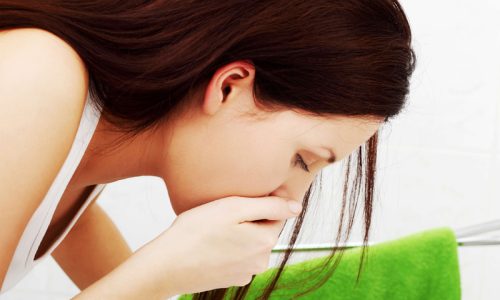
  • Preparation: After early morning rituals, the patient drinks Kapha-inducing liquids like milk, herbal teas, or licorice decoction.
  • Induction: Vomiting is induced using Ayurvedic emetics such as Madanaphala or Yashtimadhu.
  • Monitoring: The process is carefully observed to ensure complete expulsion of ama (toxins) and excess Kapha, without overexerting the body.
vaman therapy3

Paschatkarma (Post-care)

  • Light dietary intake: Foods like kanji, rice gruel, and khichdi are recommended to ease digestion.
  • Dietary restrictions: Avoid cold, heavy, or oily foods for several days to support internal balance.
  • Rejuvenation: Adequate rest and recovery are essential to promote healing and restore vitality.

When is Vaman Recommended?
Asthma, bronchitis
Sinusitis, rhinitis
PCOD with Kapha dominance
Skin issues like eczema, acne
Obesity and water retention
Emotional dullness, depression (linked to Kapha imbalance)
Who Should Avoid Vaman?
Vaman is not suitable for:
Children, elderly, or weak individuals
Pregnant or menstruating women
People with heart disease, ulcers, or high blood pressure
Immediately after meals or during indigestion
Always undergo Vaman only after Ayurvedic consultation.